How ancestral land is held
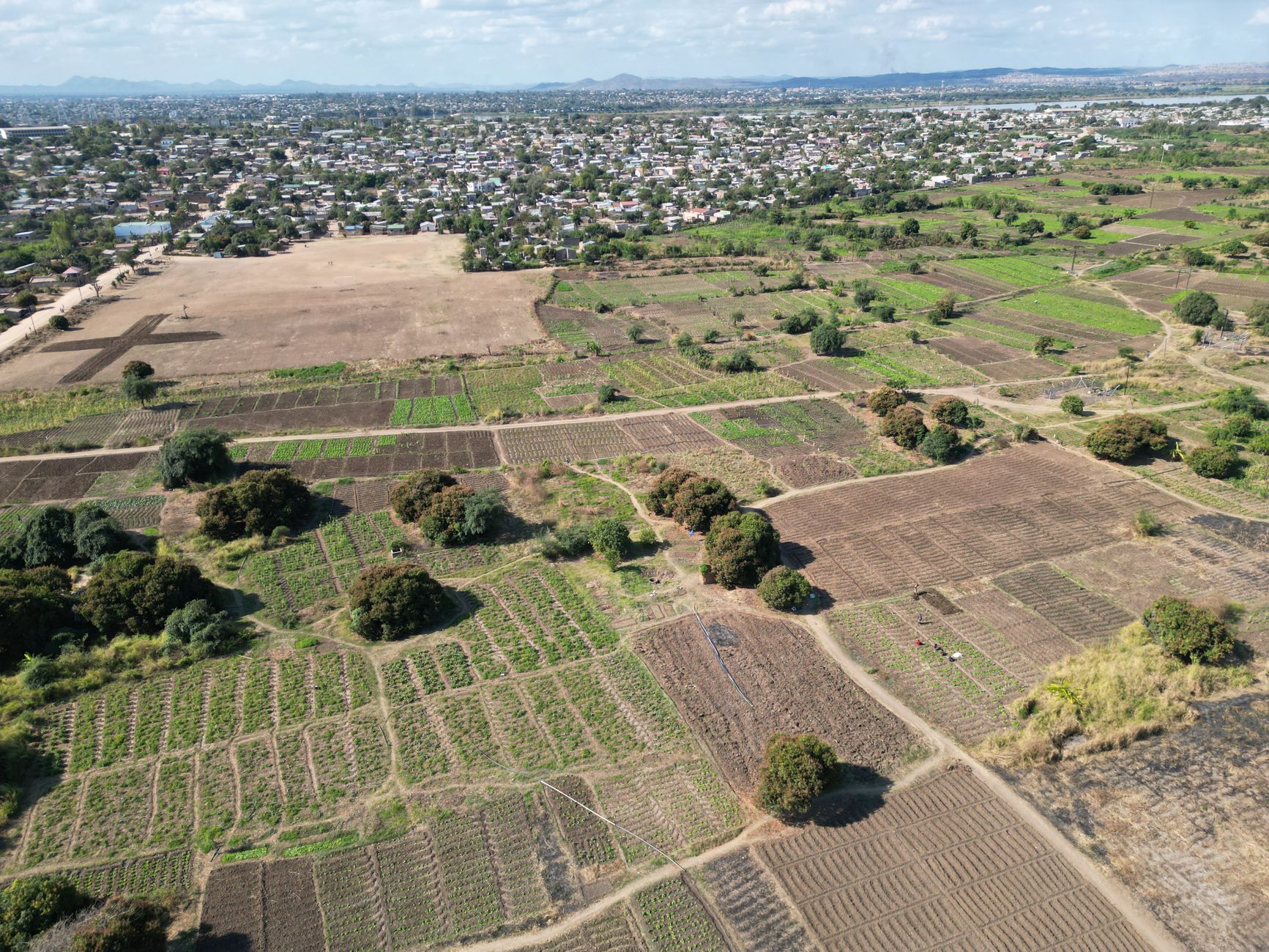
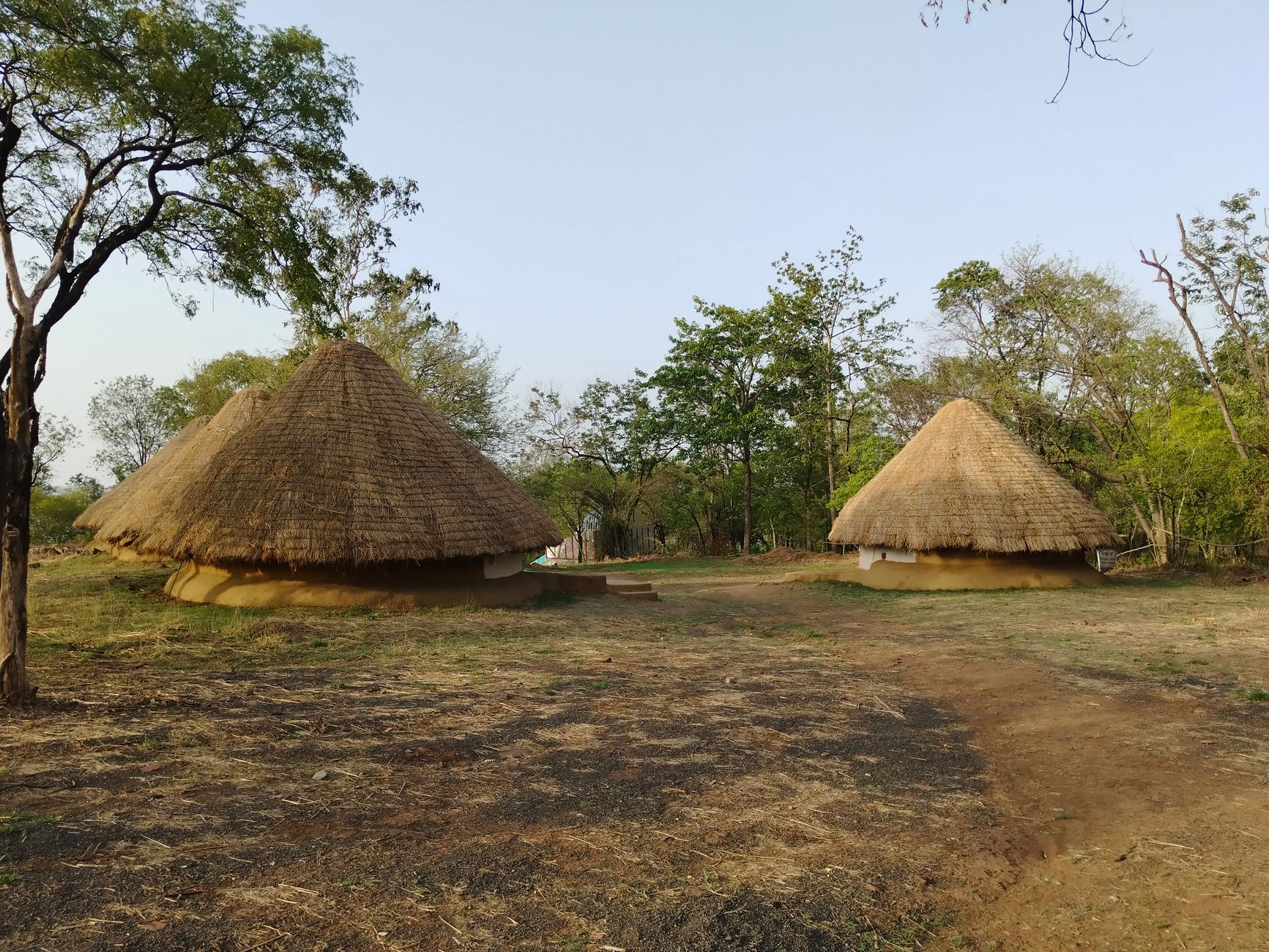
The land most families call kumusha is communal land, and nobody owns it outright. Section 4 of the Communal Land Act vests it in the President, who permits people to occupy and use it. There are no title deeds. A New Ziana report on 27 September 2026 described the government's new tenure system, and its title-deed rollout covers A1 and A2 resettlement farms, not communal areas.
A citizen gets a right to occupy and use land instead, granted through traditional leaders and the rural district council (RDC).
The route to a plot
Under the Traditional Leaders Act, the first stop is the village head, or sabhuku. Section 12 tells the village head to consider requests from new settlers "in accordance with the customs and traditions of his community" and, after consulting the village assembly, to recommend to the ward assembly. The headman oversees the admission of new settlers, and the chief approves a settlement on the headman's advice.
The RDC has the final say. Section 26 of the Traditional Leaders Act gives the council "overall control over the use and allocation of all Communal Land", and section 8 of the Communal Land Act says the council may consent only to people whom customary law treats as part of the community, after consulting the chief. A person refused consent can appeal to the President. The village head keeps a register of inhabitants, and the RDC issues a settlement permit to each household head. That permit must carry the names of all spouses.
Neither Act sets a fee or lists required documents, and we found no published RDC guide on either. Ask the council directly.
If you live in town or abroad
Section 27 of the Traditional Leaders Act protects people who have moved away. Anyone entitled by custom to live in a communal area who "has maintained a homestead there" may keep it, even though they live elsewhere. The section protects a homestead the family has kept up. It gives no right to a new plot, which goes through the allocation process above.
Passing the land on is also restricted. Section 28 allows a permit holder to give up their rights only with the consent of the other adult members of the household and the RDC.
Selling is illegal, and enforcement has started
Section 28 says "no person shall purport to sell or lease" land held under a settlement permit, and occupying communal land without authority carries a fine or up to a year in prison. In March 2026, the Zimbabwe Anti-Corruption Commission arrested Chief Mphini and two village heads in Plumtree, according to The Herald, over the alleged allocation of land to at least 29 people without Bulilima RDC authority. In July, Local Government Minister Daniel Garwe warned that any headman or village head involved in illegal land sales "will be arrested, prosecuted and, upon conviction, removed from office".
Where the security runs out
A communal right is weaker than ownership. The State can declare land no longer communal, as it did in Hwange this year, or set it aside and order occupiers to leave. The Act promises alternative land only "so far as is reasonable and practicable". ZimRights argued in 2024 that "the Act fails to provide sufficient security for land tenure".
Women face a further gap. The Constitution requires equal access to land for women and voids customs that infringe their rights, but practice lags. A 2017 Human Rights Watch report on widows losing property cited Food and Agriculture Organization estimates that at least 70 percent of rural women were in unregistered customary unions.
What it means for families
Start with the village head and get your household entered in the village register. Make sure the settlement permit names every spouse, and get the RDC's consent in writing. Don't pay anyone for communal land. Section 28 bars the sale, and the payment doesn't give the buyer the council's consent to occupy.